
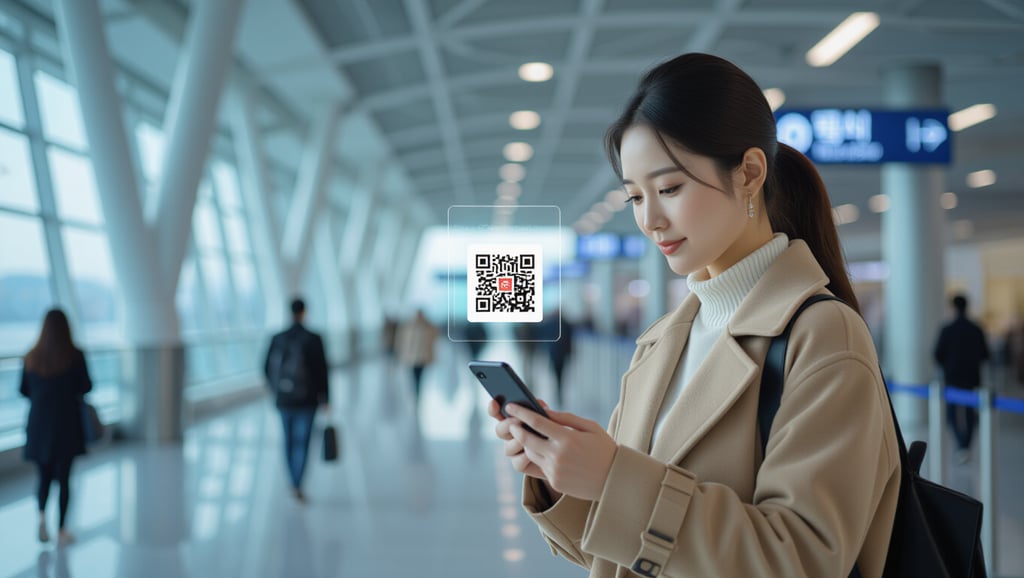
One of the first things travelers worry about when preparing for a trip to South Korea is staying connected. These days, many visitors find themselves choosing between a traditional physical SIM card and the newer eSIM technology. This guide provides a complete comparison of SIM cards and eSIM options for travelers visiting Korea, helping you choose the best solution for your trip. South Korea is famous for its world-class telecom infrastructure, offering fast nationwide 4G LTE and even 5G coverage in major cities. No matter which option you choose, you can expect reliable and fast internet connectivity throughout your trip.
📋 SIM vs eSIM: Key Comparison for Korea Travel
Both SIM cards and eSIM options for Korea travel use the powerful networks of SK Telecom, KT, and LG U+. Because of this, there is virtually no difference in terms of internet speed or nationwide coverage. However, the two options differ significantly in convenience, compatibility, and how they are activated.
Key Features
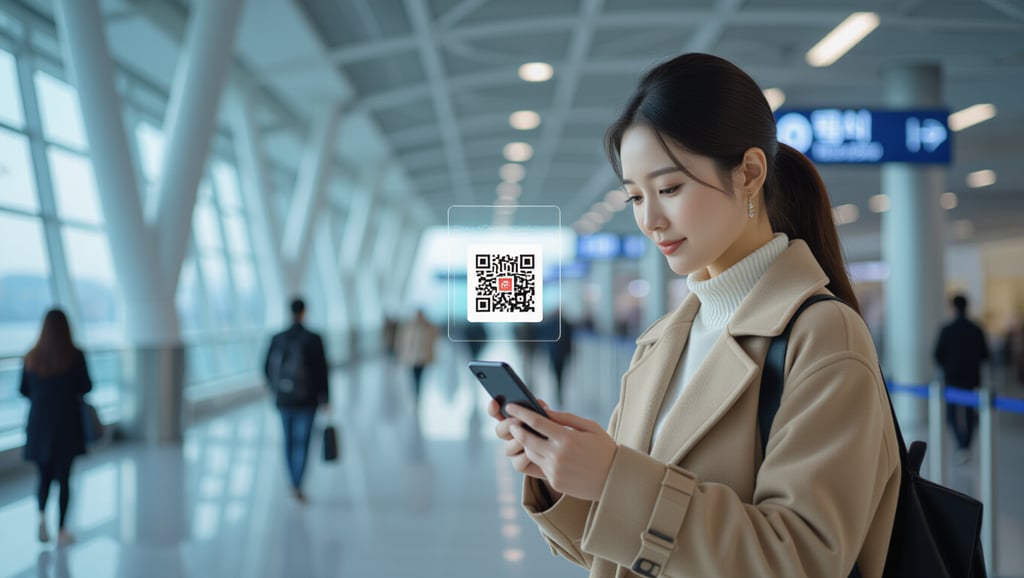
- Convenience of eSIM: There is no need to handle a physical card. Simply scan a QR code to activate it digitally. You can even set it up before arriving in Korea so that internet access works immediately after landing.
- Compatibility of SIM cards: Physical SIM cards work with almost any unlocked smartphone. For travelers unfamiliar with digital setup, they can feel more familiar and straightforward.
- Data-only vs Local Phone Number: Most travel eSIM plans are data-only and do not include a Korean phone number. Physical SIM cards often provide a local number, which can be helpful for taxi apps, reservations, and contacting local services.
📊 SIM vs eSIM Comparison
| Category | eSIM | Physical SIM |
|---|---|---|
| Activation | QR code scan (digital) | Insert SIM card |
| Local phone number | Usually data-only | Local number available |
| Compatibility | Latest smartphones (iPhone 11+, Galaxy S20+) | All unlocked smartphones |
| Convenience | Pre-setup available, instant use | Must replace SIM physically |
| Advantages | Quick activation, dual SIM support | Better compatibility, local phone number |
| Disadvantages | Limited device support | Requires SIM replacement |
When I personally used an eSIM with my iPhone, the internet connected immediately after landing in Korea. It made navigation, messaging, and travel apps extremely convenient.
💡 Best Connectivity Options by Traveler Type

The best communication option for your Korea trip depends largely on your travel duration and style. Both physical SIM cards and eSIM technology provide excellent connectivity, but the ideal choice varies depending on individual needs.
Short-term Visitors (3 days – 2 weeks)
- Recommended: eSIM – For short trips, eSIM is the most convenient option. If your smartphone supports it, you can activate it instantly by scanning a QR code.
- Tourist prepaid SIM – If your phone does not support eSIM or if you need calls and SMS, prepaid tourist SIM cards available at airports or online are a great alternative.
Long-term Visitors (Students or Workers)
- MVNO eSIM or postpaid plan – For stays longer than three months, budget MVNO plans provide excellent value with affordable monthly pricing.
- Local phone number required – Many services in Korea require phone verification. Long-term visitors often need a local number for banking, identity verification, and online services.
📌 Final Thoughts
Choosing between a SIM card and eSIM for Korea travel depends on your smartphone compatibility, travel duration, and whether you need a Korean phone number. For short trips, eSIM offers the fastest and most convenient setup. For long-term stays or situations requiring a local phone number, a physical SIM card or MVNO plan may be the better option. Thanks to Korea’s advanced telecom infrastructure, both options provide fast and reliable internet access across the country.