

Planning a visit to Seoul’s lively Noryangjin Fish Market? If you want to enjoy super-fresh seafood at a fair price, it’s important to understand the real pros and cons before you go. In this guide, I’ve gathered the most practical, must-know tips to help you shop smarter, avoid common mistakes, and enjoy an unforgettable seafood experience. Ready to experience Noryangjin at its best? Let’s dive in.
📋 Key Pros and Cons of Visiting Noryangjin Fish Market
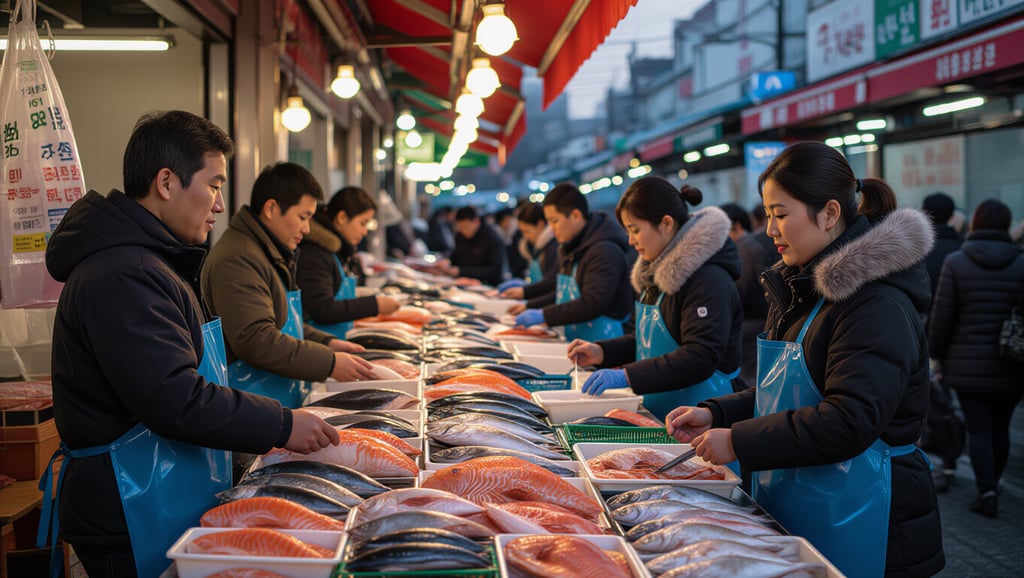
Before you visit, it helps to decide what kind of value you want from this market. Noryangjin’s biggest strength is its unmatched freshness—but there are also clear things to watch out for, especially when it comes to handling and keeping quality after purchase.
Visit the Official Noryangjin Fish Market Website
Main Highlights
- Unbeatable freshness: You can see the seafood with your own eyes and buy it at peak freshness.
- Huge variety: From rare fish you won’t spot at supermarkets to premium king crab—everything is in one place.
- Real market interaction: Talking directly with vendors and negotiating is part of the fun—and a uniquely local experience.
📊 Pros vs. Cons at a Glance
| Category | Pros | Cons |
|---|---|---|
| Quality | Top-tier freshness and wide selection | Quality can drop if storage/cooking is handled poorly |
| Price | You may get freebies with smart negotiation | Premium items can be expensive |
| Experience | A lively, energetic market atmosphere | Negotiation can feel intimidating for beginners |
From my experience, instead of chasing the cheapest option, paying a fair price for better yield (more edible meat) was much more satisfying.
🔍 Market Vibes and What You’ll Find Inside
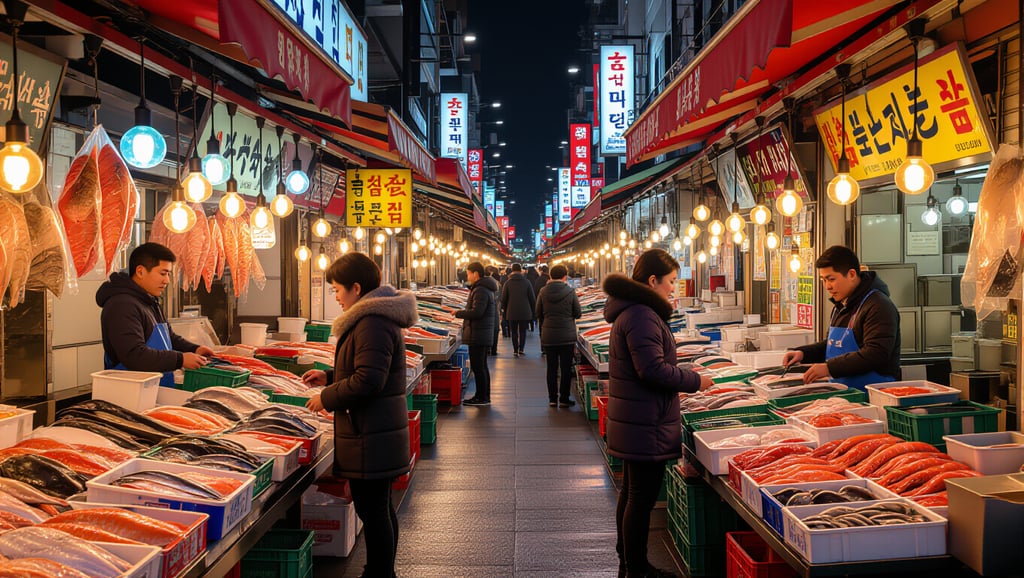
The moment you enter Noryangjin, you’ll feel the buzzing energy—loud calls from vendors, lively crowds, and the unmistakable sense of a “real” working seafood market. It’s not just a place to buy fish; it’s a window into everyday Seoul.
Check Seafood Info via the National Federation of Fisheries Cooperatives (Suhyup)
Why People Love It
- Buzzing energy: The mix of vendor calls and excited shoppers feels like stepping into a living ocean scene.
- More than seafood: Beyond live fish and seasonal shellfish, you’ll also find snacks like tteokbokki and hotteok.
- Warm, local vibe: Chatting with vendors feels friendly and personal—very different from shopping at a big supermarket.
When I visited in the late afternoon, the delicious smells from the restaurant area and people laughing made it feel like I was on a mini trip.
💰 Smart Spending Guide: How to Get Good Value
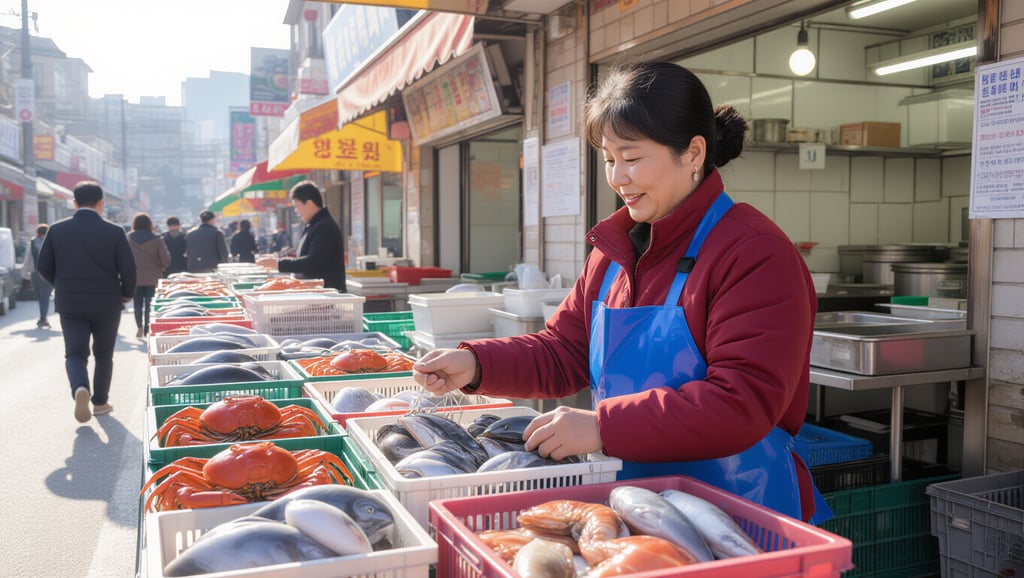
The biggest question at Noryangjin is always cost. The best-quality seafood costs what it costs—and chasing “cheap” isn’t always the smartest choice. Knowing what you want (premium vs. value) is the key to spending well.
Check Real-Time Seafood Market Prices (In-eo Gyoju Ha-jeok-dan)
Practical Shopping Strategies
- Know what you want: Decide whether you’re aiming for top quality or the best value, then choose a vendor accordingly.
- Negotiate smart: Instead of pushing too hard on price, ask for freebies like sea squirt (meongge) or clams—often a better deal.
- Check weight yourself: For king crab or snow crab, a heavier feel for its size usually means more meat (and fuller roe/innards).
I chatted nicely with the vendor and asked for a little extra—then they packed in plenty of spicy soup ingredients and clams. It turned into such a satisfying feast.
✅ Must-Check Checklist Before You Go
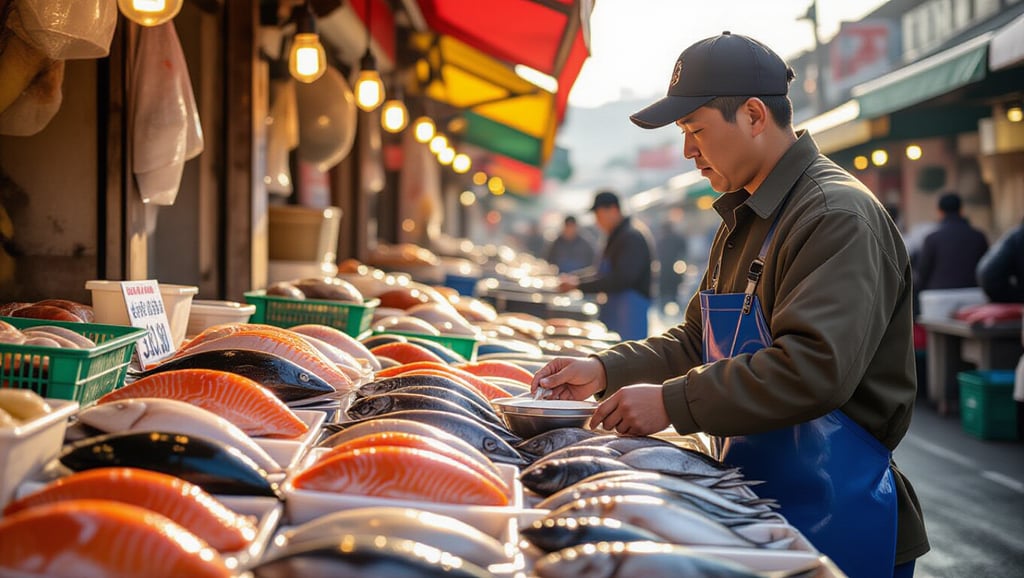
To shop successfully, there are a few essentials you should check—think of it like choosing a great restaurant: prioritize quality first, then price.
Learn More About Seasonal Seafood (Ministry of Oceans and Fisheries)
📝 How to Do It Right
- Have a realistic view of “price”
- Top-quality seafood won’t be cheap. If something is unusually cheap, there’s usually a reason—stay cautious.
- Check what’s in season
- During spawning season, some fish can taste less rich because their energy goes into eggs—so seasonality matters.
- Judge freshness the easy way
- If it’s hard to tell visually, feel the weight. Heavier usually means fuller meat and better yield.
Seafood experts often say seasonal seafood is like a natural health tonic—so it’s worth checking what’s in season before you go.
⚠️ Common Pitfalls (and How to Avoid Them)
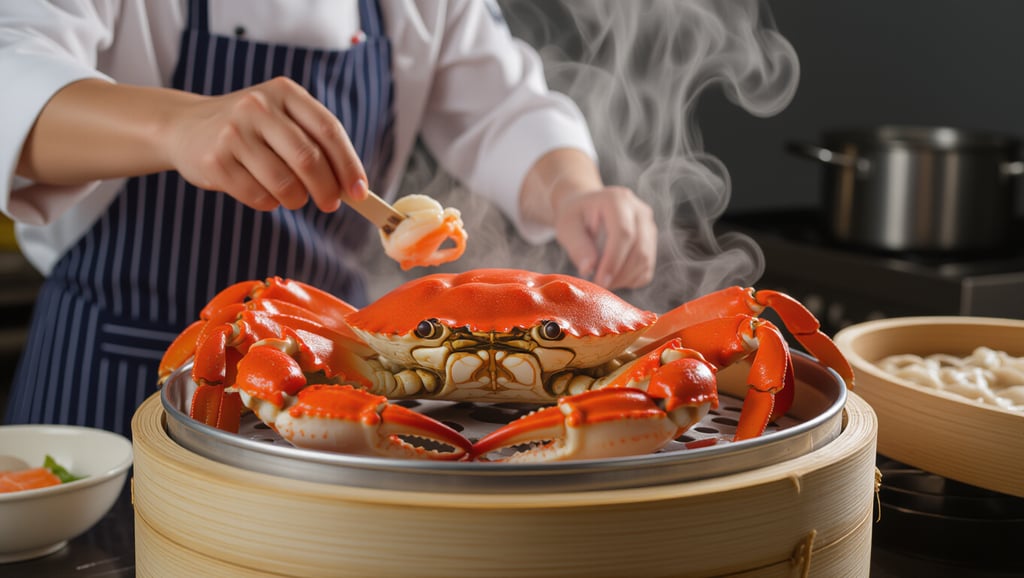
Even if you pick amazing seafood, mistakes afterward can ruin everything. Storage and cooking methods are the biggest factors that decide how good your meal will be.
Key Things to Watch
- Improper storage: Seafood is sensitive to temperature changes, so store it properly as soon as possible after buying.
- Cooking method matters: Boiling snow crab can wash out flavor—steaming is often better for preserving taste.
- Be careful during prep: When cleaning/prepping, handle gently so juices and flavor don’t leak out.
📊 Cooking Method Comparison
| Method | What it’s like | Best for |
|---|---|---|
| Steaming (Steam) | Preserves natural flavor and juices best | Snow crab, king crab, clams |
| Boiling (Boil) | Clean taste; the broth can be reused | Octopus, small octopus (nakji) |
When I steamed snow crab at home with the belly facing up, the rich innards didn’t leak out—and it turned out incredibly nutty and delicious.
🍴 Eating at the Market + Nearby Things to Do
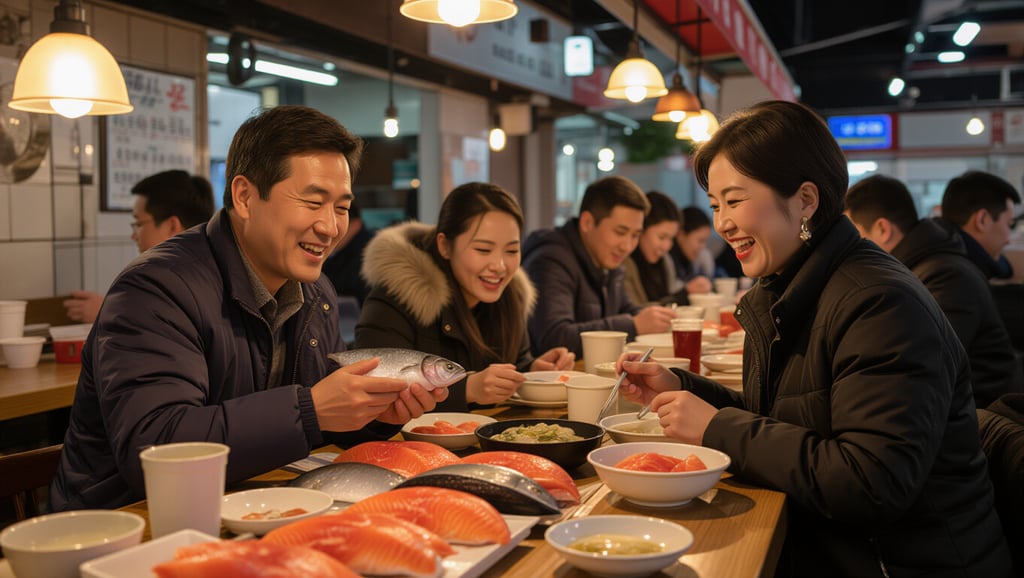
After exploring the stalls, don’t miss the market restaurants or pairing your visit with nearby sights. Eating freshly sliced sashimi right after you buy it is one of the best parts of the Noryangjin experience.
Explore Nearby Attractions (Visit Seoul)
Tips for a Better Visit
- Use the restaurant floor: You can bring seafood from the 1st floor to restaurants (often on the 2nd floor), but always confirm table-setting and cooking fees first.
- Take a short walk after: After the lively market, a nearby quiet park can be a perfect reset.
- Make it a mini culture day: Pairing the market with nearby sights helps you experience the neighborhood beyond just food.
The spicy fish stew (maeuntang) served with freshly sliced sashimi was the perfect finale—it made the whole visit feel complete.
📌 Final Thoughts
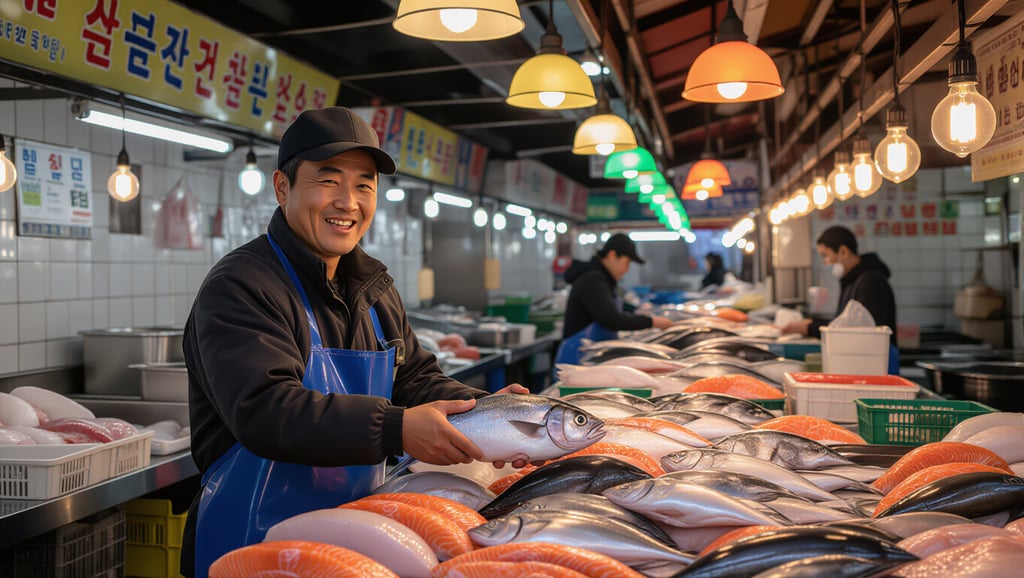
In this guide, we covered the real pros and cons of Noryangjin Fish Market, how to shop cost-effectively, and the small but crucial tips that many people overlook. The key to a great visit isn’t simply finding the lowest price—it’s knowing what quality level you want and choosing based on value. Use these tips to make the most of your trip and create delicious memories at Noryangjin.
Frequently Asked Questions
Is buying the cheapest seafood at Noryangjin always the best choice?
Not necessarily. Top-quality seafood is priced accordingly. If something is unusually cheap, the quality may be lower—so it’s smarter to focus on freshness and value rather than price alone.
Any useful tips for negotiating with vendors?
Instead of aggressively pushing the price down, try asking for small freebies (extra shellfish, soup ingredients, etc.). It often leads to a better deal—and keeps the conversation friendly.
What’s the easiest way to pick a fresh crab?
If it’s hard to tell visually, lift it. A crab that feels heavy for its size usually has more meat and fuller innards.
Is there a time I should avoid buying certain seafood?
Yes. During spawning season for some species, the flesh can be less firm and less flavorful because energy shifts toward eggs. Checking what’s in season before you visit is a smart move.
What’s the best way to cook snow crab (daege)?
Steaming is usually better than boiling. It helps preserve the crab’s natural flavor and juices, resulting in a richer taste.