

Insadong is one of Seoul’s must-visit neighborhoods—full of traditional charm and the perfect place to experience Korean culture and food. But if you’re vegetarian, vegan, or following religious dietary rules, finding truly reliable vegan-friendly restaurants in Insadong or halal-friendly places in Insadong can feel a little overwhelming at first.
The good news is that Insadong and the nearby areas now have more “hidden gem” restaurants than ever—places built for people who care about healthy, ethical, and belief-friendly dining. In this guide, you’ll find verified, practical tips and a clear strategy so you can enjoy meals confidently while traveling.
📋 Deep Dive: Dedicated Vegan Restaurants in Insadong

Insadong is surprisingly strong when it comes to high-quality vegan and vegetarian dining—so for plant-based travelers, it can feel like a small paradise. Each restaurant has its own vibe and specialty, so you can choose what matches your taste and budget.
Visit the Korea Vegan Certification Institute
What Makes These Places Stand Out
- Osegyehyang: A well-known vegan restaurant that avoids animal ingredients and also stays away from GMO and MSG. They’re serious about organic rice and eco-friendly produce.
- Vegan Insa (Vegetarian Restaurant): A great value option for a light traveler-friendly meal—think vegan gimbap and vegetarian bibimbap at reasonable prices.
- ALTA: Certified by the Korea Vegan Association, known for fun fusion-style Chinese-Korean vegan dishes like vegan jajangmyeon and sweet-and-sour “pork.”
📊 Vegan Restaurant Comparison
| Restaurant | Signature dishes | Price range | Highlights |
|---|---|---|---|
| Osegyehyang | Vegan bulgogi wraps, tofu set meals | 15,000–20,000 KRW | Classic vegan, eco-friendly ingredients |
| Vegan Insa | Vegan gimbap, vegetarian bibimbap | 8,000–12,000 KRW | Great value, near Ikseon-dong |
| ALTA | Vegan jajangmyeon, sweet-and-sour “pork” | 10,000–20,000 KRW | Fusion menu, vegan association certified |
I tried the vegan bulgogi wraps at Osegyehyang, and the texture was so good I honestly forgot it was soy-based. Clean, satisfying, and surprisingly “meaty.”
🧘♂️ Traditional Temple Food: A Calm, Cleansing Korean Meal
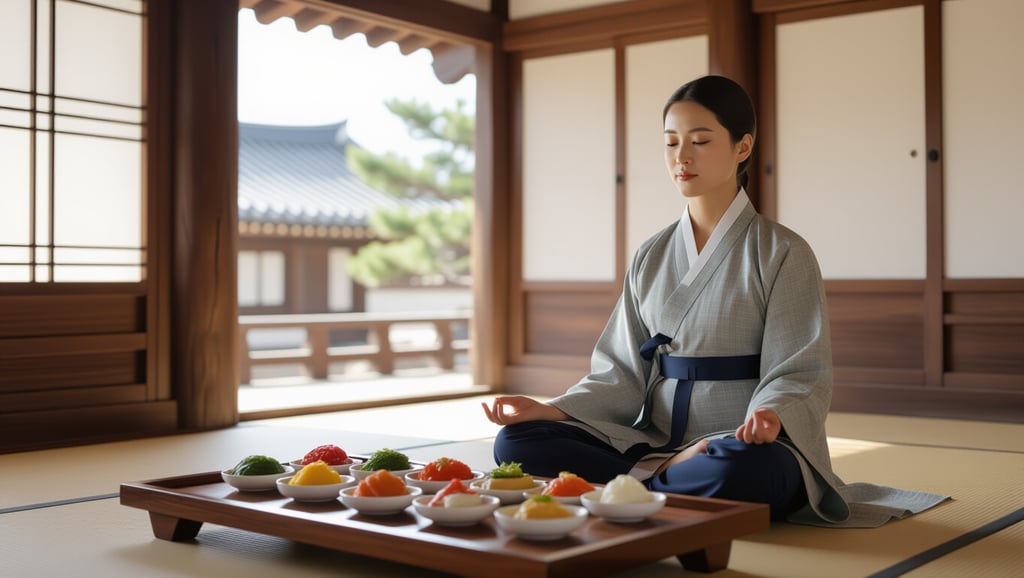
Want something truly unique during your Insadong trip? Try Korean temple cuisine—traditional plant-based meals that focus on natural flavors. The taste is gentle rather than spicy, letting the ingredients shine.
Learn more on the official Temple Food site
What Makes Temple Food Different
- No “five pungent vegetables” (osinchai): Garlic, green onion, chives, wild chives, and asafoetida (or similar pungent ingredients) are avoided, creating a clean, balanced taste.
- Mindful dining: From cooking to eating, the process is treated as a form of practice—helping you slow down and feel grounded.
- Eco-friendly ingredients: Often made with seasonal mountain vegetables and organic ingredients for a wholesome, nourishing experience.
Recommended Spots & Dishes
- Sanchon
- Known for the “Sanchon set menu” served in a traditional hanok-style atmosphere.
- A multi-course spread of wild vegetable dishes that feels like a special treat.
- Maji
- A vegetarian-focused place that can feel very Muslim-friendly since dishes are plant-based.
- Their “lotus-leaf rice set” is a signature—subtle aroma, beautifully comforting.
Temple food restaurants tend to be quiet and peaceful—perfect for dining with parents or for a calm conversation over a thoughtful meal.
🌍 Halal-Certified & Vegan-Option Restaurants
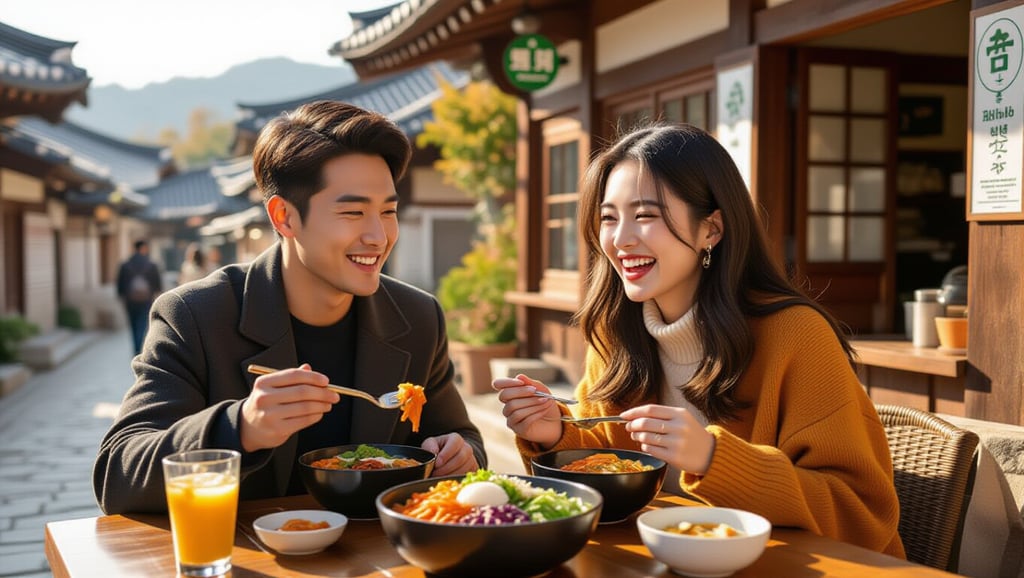
For travelers who follow religious rules or personal beliefs, Insadong offers more halal-friendly and vegan-friendly options than many people expect. With a little planning, you can keep your diet without giving up great Korean food experiences.
Find more food spots on VisitKorea
Halal-Friendly Picks
- Vegan Kitchen: Offers Korean-style vegan dishes and is described as halal-certified, so Muslim travelers can enjoy items like bibimbap with peace of mind.
- India Chef: A spot for classic halal-style Indian dishes such as chicken tikka masala and lamb curry.
- Temple food restaurants: Since they don’t use meat at all, they can be a safe and comfortable option for many halal diets (still, always confirm details if needed).
📝 How to Dine Smoothly (Practical Tips)
- Look for certification marks: Check for halal or vegan certification stickers/signs near the entrance.
- Reserve when possible: Popular specialty restaurants can have long waits—booking ahead saves time.
- Plan your route: Many restaurants are tucked into the main alleys (like Insadong-gil 5), so it helps to map your stops in advance.
I visited Vegan Kitchen with a Muslim friend, and they were genuinely happy to enjoy Korean food without worry—that moment really stuck with me.
💡 Ordering Guide for International Travelers
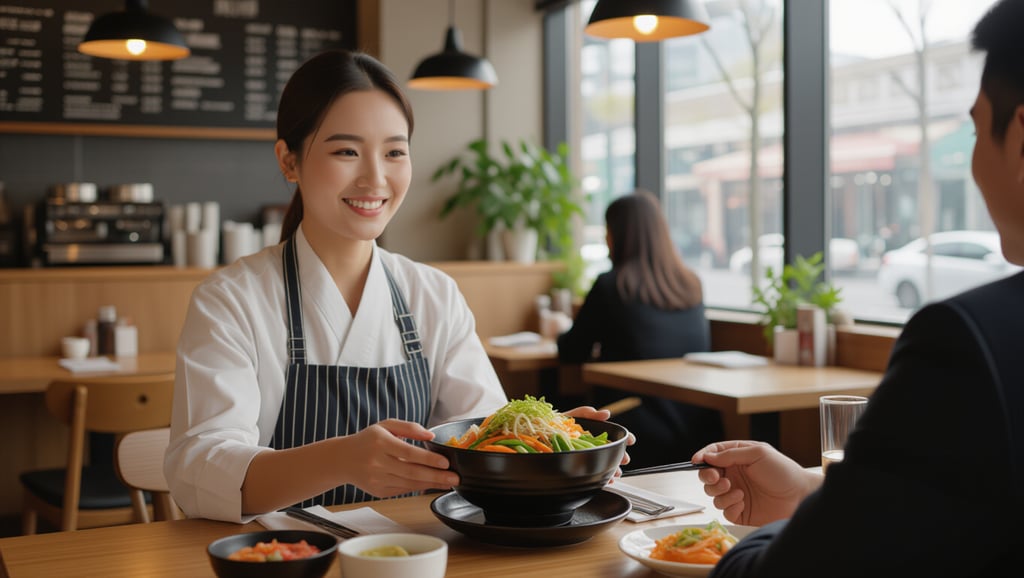
Even at regular Korean restaurants, a few simple habits can help you eat vegan or halal-friendly meals more safely and confidently.
See more Seoul travel guides on Visit Seoul
A Simple Step-by-Step Ordering Strategy
- Pick a safer base dish: Start with veggie-forward menu items like bibimbap or tofu dishes.
- Say it clearly: Use the phrase: “고기 빼주세요 (Gogi bbae-juseyo)” meaning “Please leave out the meat.”
- Double-check hidden ingredients: Ask if the dish contains egg, anchovy broth, fish sauce, or salted seafood (jeotgal).
⚠️ Common “Hidden” Ingredients to Watch For
- Kimchi: Traditional kimchi often includes fish sauce or salted seafood—confirm if it’s vegan kimchi.
- Soups and broths: Many stews and ramen use anchovy or meat-based stock.
- Bibimbap / japchae: These often come topped with egg strips or beef by default—ask to remove them if needed.
When ordering bibimbap at a regular restaurant, adding “Please remove the egg too” can make it fully vegan.
📊 Types of Vegetarian-Friendly Restaurants in Insadong (By Situation)
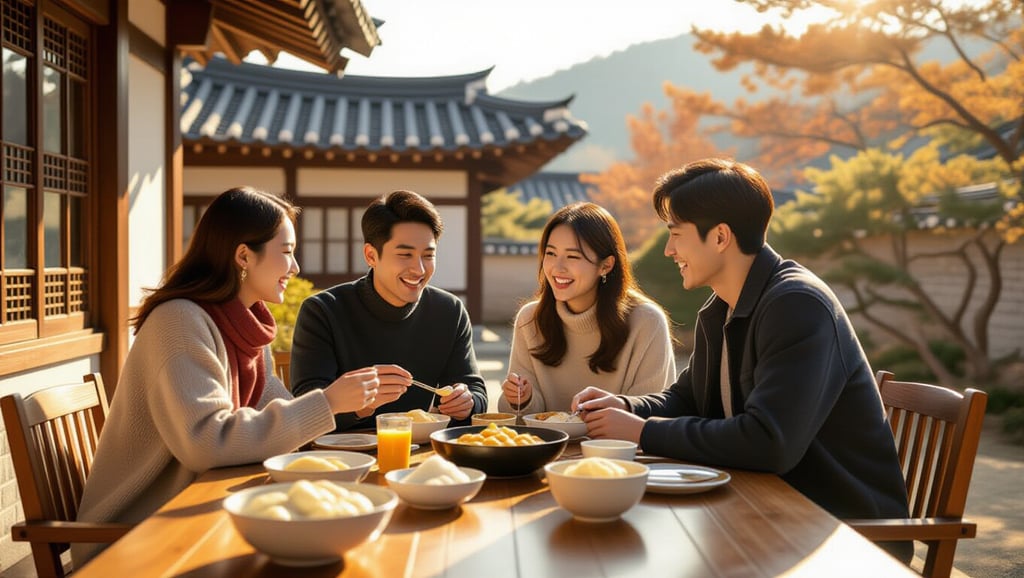
Here’s a simple way to categorize restaurants depending on your needs—use this to plan meals efficiently during your trip.
| Type | What to expect | Best for |
|---|---|---|
| Dedicated vegan restaurants | No animal ingredients, often organic-focused | Strict vegans |
| Traditional temple food restaurants | No “five pungent vegetables,” calm hanok atmosphere | Healthy dining + cultural experience |
| Regular restaurants with options | Many dishes available (bibimbap, tofu, etc.) | Mixed groups (with non-vegetarian friends) |
When I’m eating with friends who have different diets, tofu-specialty restaurants are a solid compromise—everyone ends up happy.
📌 Wrap-Up

Now you have a practical game plan for vegan and halal-friendly dining in Insadong. This neighborhood isn’t just about traditional souvenirs— it’s also a surprisingly rich food destination, covering everything from classic temple cuisine to modern fusion-style vegan meals.
With dedicated vegan restaurants, halal-friendly spots, and thoughtful “option-based” Korean restaurants all available, you can keep your dietary rules without stress. Use the restaurant tips and ordering phrases above to build a healthier, happier Insadong travel experience.
Frequently Asked Questions
What’s the most famous vegan restaurant in Insadong?
Osegyehyang is one of the best-known options. It’s a classic vegan restaurant that avoids animal ingredients, GMO, and MSG, and it’s especially popular for dishes like vegan bulgogi wraps.
How is temple food different from regular vegetarian dishes?
Temple food avoids not only meat but also the “five pungent vegetables” (osinchai), such as garlic and green onion. The result is a clean, balanced style of cooking that highlights natural flavors.
Can I find halal-certified Korean food in Insadong?
Yes. Places like Vegan Kitchen are described as offering Korean-style vegan dishes with halal certification, so Muslim travelers can enjoy options like bibimbap more comfortably.
Is there a useful Korean phrase for ordering vegetarian food at regular restaurants?
Say: “고기 빼주세요 (Gogi bbae-juseyo)” — “Please leave out the meat.” It’s also smart to ask about eggs and anchovy-based broth for extra safety.
Is kimchi safe for vegetarians and vegans?
Many traditional kimchi recipes include fish sauce or salted seafood, so it may not be vegan. If you’re strict vegan, confirm it’s vegan kimchi before ordering.