
Are you dreaming of spending a month in Seoul or staying for an extended period? To make the most of your time in the city, having a realistic budget that reflects Seoul’s updated 2026 prices and systems is essential. In this guide, I’ll walk you through everything from choosing the right place to stay to transportation savings and local money-saving tips that can make daily life much easier.
📋 Essential Budget Breakdown for a Long-Term Stay in Seoul

Prices in Seoul have gone up somewhat in 2026, but with the right planning, it is still very possible to live comfortably on a reasonable budget. Since housing and basic living costs make up the biggest share of your expenses, understanding them in advance is the first step toward a successful stay.
🏠 Estimated Costs by Accommodation Type
| Accommodation Type | Estimated Monthly Cost | Features |
|---|---|---|
| Goshiwon | KRW 250,000–450,000 | Budget-friendly, but the space is extremely small |
| Studio / Officetel | KRW 650,000–1,000,000 | More comfortable, but usually requires a high deposit (KRW 5 million or more) |
| Hanok Stay | KRW 1.2 million+ | Traditional atmosphere, higher price range, and a unique experience |
When I looked for a room in Seoul myself, I found that using short-term rental platforms was a great way to reduce upfront costs if the deposit felt too expensive.
💰 Minimum Monthly Living Costs by Category
- Food and transportation: Around KRW 800,000–1,200,000 per month, depending heavily on how often you eat out
- Mobile plan and miscellaneous expenses: Around KRW 100,000–200,000 per month, with savings possible through budget carriers
- Emergency cushion: It’s wise to set aside an extra 10% of your total budget for unexpected expenses
📍 Smart Accommodation Strategies by Neighborhood
Each neighborhood in Seoul has its own distinct character, so choosing an area that matches your lifestyle matters just as much as the price. Rather than focusing only on rent, be sure to consider your daily commute and the nearby conveniences.
🏙️ Key Characteristics of Popular Areas
- Yeonnam / Hongdae: Perfect for enjoying youthful energy and nightlife, though it can be noisy
- Seongsu-dong: One of Seoul’s trendiest neighborhoods right now, full of stylish cafés, but rent tends to be high
- Gangnam / Yeoksam: Excellent business infrastructure and a strong sense of safety, with a more typical downtown atmosphere
- Seochon / Ikseon-dong: Ideal for those who want to experience Seoul’s quieter, more traditional charm
A friend of mine once helped an international visitor stay near Hongdae, and they said the airport railroad access made getting around incredibly convenient from day one.
💡 Tips for Choosing the Right Place
- Check your noise tolerance: If you are sensitive to noise, choose a residential street one block away from the main nightlife area
- Look for basic convenience: Make sure there is a convenience store and a subway station within a five-minute walk
- Use short-term rental apps: If a large deposit feels like too much, explore short-term rental apps such as 33m²
🚌 How to Use Seoul’s Latest Transportation System in 2026
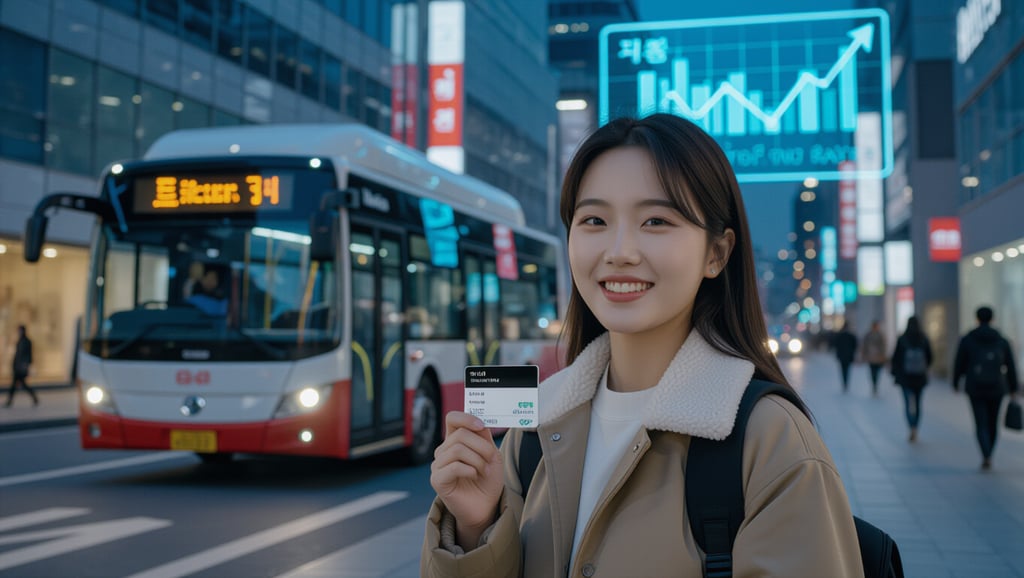
Seoul’s transportation system has become even smarter in 2026, but there have also been changes, including the rise of cashless buses. If you prepare your transit card ahead of time and understand available reimbursement programs, you can cut your transportation costs significantly.
📊 Transportation Savings Comparison
| Category | Reimbursement Rate | Eligibility and Conditions |
|---|---|---|
| Young adults | 30% reimbursement | Ages 19–39 when using The 경기패스 (Gyeonggi Pass) |
| General users | 20% reimbursement | Available when using public transportation at least 15 times a month |
| Low-income users | Up to 53% | Maximum benefit available after registering supporting documents |
Most Seoul buses are now fully cashless, so don’t forget to load your transportation card as soon as you arrive at the airport.
📝 Transit Card Guide
- Climate Card: Recommended if you want unlimited rides on public transportation within Seoul for KRW 65,000 per month
- WOWPASS: A must-have for foreign residents who want currency exchange, payments, and transit card functions all in one
- Gyeonggi Pass: Best for those who travel frequently to and from Gyeonggi Province and want a reimbursement-based benefit
🔍 A Closer Look at Seoul Prices and Food Costs
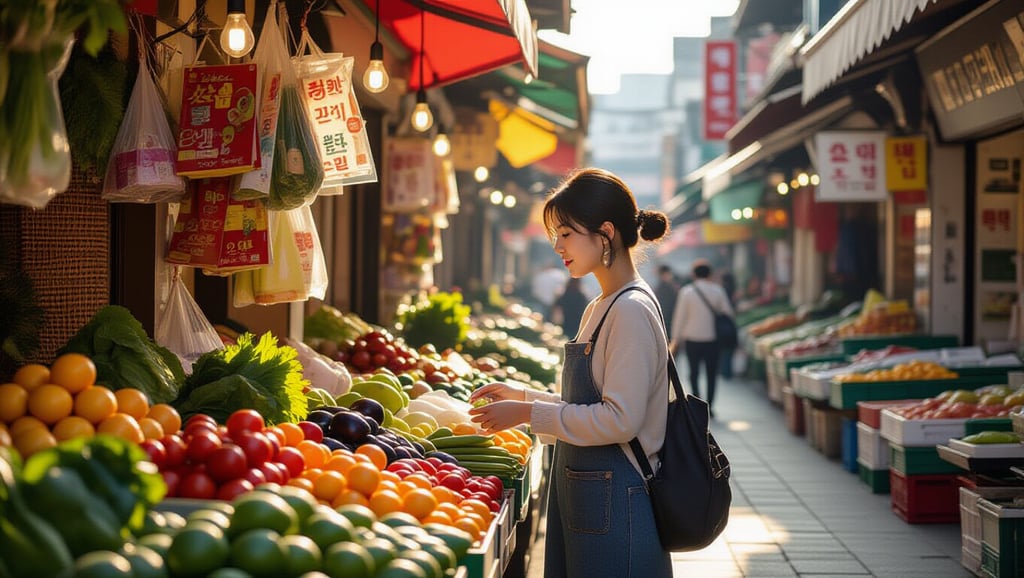
Groceries in Seoul can be more expensive than many people expect, so cooking every meal is not always the most economical solution. In many cases, making smart use of affordable local restaurants can actually be the better way to stay on budget.
🍽️ Food and Mobile Costs in Detail
- Eating out: Expect to pay around KRW 8,000–15,000 for a typical meal at a casual restaurant
- Buying groceries: Fruits and vegetables tend to be pricey, so local traditional markets are often a better option than large supermarkets
- Mobile plans: Around KRW 50,000–80,000 per month can get you unlimited data, which is quite reasonable
From my own experience, living alone in Seoul often made convenience store lunch boxes or neighborhood diners more economical than buying ingredients and ending up with leftovers.
📊 Monthly Cost Comparison
| Category | Mostly Cooking | Mostly Eating Out |
|---|---|---|
| Food costs | About KRW 500,000 | About KRW 900,000 |
| Satisfaction | Healthier, but more hassle | |
| Recommended for | Long-term residents | Short-term travelers |
📱 Must-Have Apps and Digital Tools

It’s no exaggeration to say that the quality of life in Seoul can depend heavily on which apps you use. Installing apps optimized for daily life in Korea before you arrive can save you a lot of time and frustration.
🛠️ Recommended Essential Apps
- Naver Map / KakaoMap: These offer much more accurate directions and real-time bus information than Google Maps in Korea
- Papago: One of the best translators for Korean context, especially useful for image translation
- Coupang Eats / Shuttle: Essential apps if you want to enjoy Seoul’s highly developed food delivery culture
When looking for places to eat, Naver Map lets you check real visitor reviews and ratings right away, which makes it much easier to avoid disappointing meals.
📝 How to Use These Apps Effectively
- Before arrival: Install Naver Map and Papago in advance and get familiar with the basics
- After arrival: Use the WOWPASS app to check your card balance and transaction history in real time
- During your stay: Try delivery apps to experience Korea’s famous late-night food culture
⚠️ Everyday Etiquette for Living Like a Local

To live smoothly in Seoul without friction with neighbors, it helps to understand a few local social rules. In particular, trash disposal and café etiquette are things you should definitely keep in mind.
Visit the Seoul Metropolitan Government Website
📌 Key Daily-Life Rules
- Use official trash bags: Regular trash must be disposed of in designated district-specific pay-as-you-throw bags
- Recycle carefully: It is standard practice to separate glass, plastic, cans, and paper thoroughly
- Café etiquette: If you stay for a long time using a laptop, ordering another drink is often considered a polite gesture
The recycling system felt a little confusing at first, but after asking the apartment building manager, I got the hang of it surprisingly quickly.
📊 Trash Disposal Guide
| Category | How to Dispose | What to Watch Out For |
|---|---|---|
| General waste | Orange or white official trash bag | Use the specific bag for the district where you live |
| Food waste | Food-waste bag or collection bin | Drain as much moisture as possible before disposal |
| Recyclables | Clear bag or sorting bins | Empty containers completely and remove labels when possible |
📌 Final Thoughts

That wraps up this 2026 Seoul long-term stay budget guide and the practical tips that go with it. Seoul is a city where modern convenience and traditional charm exist side by side, and with careful budgeting, it can offer one of the richest and most rewarding living experiences in Asia.
Save on transportation with the Climate Card, settle in an area that fits your lifestyle, and make smart use of local apps. With the tips in this guide, your month in Seoul can become not just manageable, but genuinely memorable. The better prepared you are, the more deeply you’ll be able to enjoy everything Seoul has to offer.
Frequently Asked Questions
What is the minimum monthly cost of living in Seoul in 2026?
Excluding housing, the minimum budget starts at around KRW 2 million (about USD 1,540). If you want a more comfortable and flexible lifestyle, a budget of KRW 4.5 million (about USD 3,450) or more is more realistic.
What is the best way to save money on transportation in Seoul?
The Climate Card is one of the best options, offering unlimited public transportation in Seoul for KRW 65,000 per month. If you are between 19 and 39, the Gyeonggi Pass can also be a smart choice thanks to its 30% reimbursement benefit.
What payment and transportation option is most useful for foreigners staying long-term in Seoul?
I highly recommend the WOWPASS card, which combines transportation, currency exchange, and debit card functions in one. It makes both daily payments and public transit much simpler for international visitors and residents.
What are the main differences between Seoul neighborhoods when choosing accommodation?
Hongdae and Yeonnam offer a youthful, energetic atmosphere, Seongsu is trendy and full of hot spots, and Gangnam stands out for business convenience and safety. If you prefer a quieter and more traditional setting, Seochon or Ikseon-dong are great choices.
Are there any important everyday rules I should know while living in Seoul?
Yes. You must use the official district-specific trash bags for regular waste and follow recycling rules carefully. Also, if you spend a long time working in a café, ordering an extra drink is generally seen as good local etiquette.