

Planning a trip to Korea? To enjoy a smooth and stress-free experience, it is important to understand the country’s unique payment systems, mobile connectivity options, and efficient transportation methods before you arrive. In this guide, you’ll find practical tips every international traveler should know.
📋 Essential Payment Methods for Traveling in Korea

Before starting your trip to Korea, understanding your payment options is a must. This is especially helpful when buying K-pop merchandise or using public transportation, where local payment compatibility can make a big difference.
Visit the Official Korea Tourism Website
Key Features of Major Payment Options
- International credit cards: Widely accepted at hotels and large shopping malls, but some smaller stores may not process them.
- Local mobile payment apps: Services like Kakao Pay and Naver Pay are popular, but foreign visitors often cannot use them because of local identity verification requirements.
- Prepaid cards: T-money and NAMANE Card are popular choices and are especially useful for public transportation and convenience store purchases.
📊 Payment Method Comparison
| Category | International Credit Card | Prepaid Card (e.g. T-money) |
|---|---|---|
| Where to use | Large stores, hotels | Public transportation, convenience stores, pop-up shops |
| Convenience | No currency exchange needed | Excellent local compatibility |
| Downside | Some POS terminals may reject it | Needs to be topped up manually |
From my own travel experience, cards were convenient in large malls, but prepaid cards felt much more reliable in small souvenir shops and local markets.
💳 How to Increase Your Payment Success Rate in Korea

Korea has a unique payment ecosystem, so overseas cards may not work in places you would not expect. This is especially true in places like K-pop pop-up stores, where systems are often optimized for domestic payment networks.
Learn More on the Official NAMANE Card Website
How to Use the NAMANE Card
- High compatibility: It works smoothly with a wide range of POS systems across Korea.
- Easy top-up: You can load cash through convenience store kiosks or the app without needing a Korean bank account.
- Ideal for small purchases: It helps you avoid wasting time on failed low-value transactions during your trip.
📝 How to Get Started
- Get the card: Pick one up at a kiosk in the airport or major stations.
- Load money: Add cash through the app or at a convenience store based on what you need.
- Use it freely: Pay conveniently at restaurants, cafés, merchandise shops, and more.
I saw people get stuck at pop-up stores when their foreign cards failed, but my prepaid card worked right away.
📶 SIM Card vs. eSIM: Which One Should You Choose?
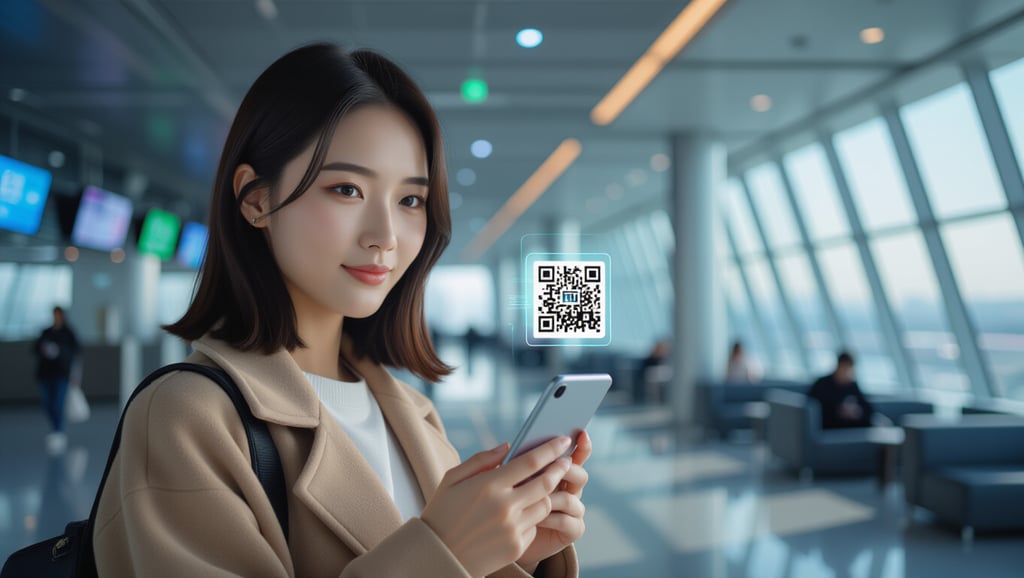
Reliable internet access is essential while traveling in Korea, especially for navigation and searching information on the go. Korea’s three major mobile carriers—SKT, KT, and LG U+—offer world-class networks, so you simply need to choose the option that fits your device and travel style.
Features of Each Connectivity Option
- eSIM: Extremely convenient because it can be activated instantly just by scanning a QR code, with no physical chip required.
- Physical SIM: A great option for travelers with older devices, as most unlocked smartphones are compatible.
- Unlimited data: Most tourist plans offer unlimited data, so you can stay connected without worrying about usage limits.
📊 Connectivity Comparison
| Item | eSIM | Physical SIM |
|---|---|---|
| Setup method | Scan a QR code | Swap the SIM card manually |
| Advantage | Keeps your existing SIM in place | Works with a wider range of devices |
| Downside | Only supported on compatible devices | Can be lost or misplaced |
As soon as I landed in Korea, I connected to the airport Wi-Fi and activated my eSIM. It took less than a minute, and I could open my maps right away.
📱 Must-Have Apps for Everyday Travel in Korea

Korea is a highly digital country, so using the right apps can make daily travel much easier. For navigation in particular, local apps are often far more accurate than Google Maps.
Go to the Official Naver Website
Apps You Should Definitely Install
- Naver Map / KakaoMap: Essential apps that provide real-time public transit arrival times and detailed route guidance.
- Papago: Especially useful for translating restaurant menus thanks to its excellent image translation feature.
- KakaoTalk: The most widely used messenger app for communicating with local accommodations and tour guides.
💡 Helpful Tips
- Language settings: After installing the app, switch the language to English or whichever language is most comfortable for you.
- Offline maps: If you want to save data, download maps of key areas in advance.
I once relied only on Google Maps and ended up lost, but when I opened Naver Map, it even showed the exact subway exit number. That was a game changer.
🚌 The Key to Public Transportation: T-money Card

One of the first things to prepare for getting around Korea is a T-money card. This contactless payment card makes it easy to ride the subway, bus, and even taxis without needing cash.
Learn More on the T-money Website
Benefits of the T-money Card
- Cost savings: Fares are usually lower than paying cash, and you can also receive transfer discounts between buses and subways.
- Versatility: Beyond transportation, it can also be used for small purchases at convenience stores such as GS25 and CU.
- Easy to buy: You can easily purchase and top it up at airports, subway stations, and convenience stores.
📝 How to Use It Efficiently
- Top up with cash: The most common way is to load cash at subway station machines or convenience stores.
- Don’t forget to tap out: To receive transfer discounts, make sure to tap your card again when getting off the bus.
The transfer discounts saved me more on transportation than I expected, and it was also great not having to deal with coins when buying snacks at convenience stores.
🎤 Payment Tips for Pop-Up Stores and Other Special Situations

If you are planning to visit K-pop pop-up stores in Seoul, be prepared for a payment environment that can differ from regular shopping malls. Temporary booths often use systems where global NFC payments may not work reliably.
Tips for Payment Success
- Bring a prepaid card: NAMANE Card or T-money often has a much higher success rate with offline card terminals.
- Carry some cash: Keeping a small amount of cash is always a smart backup option.
- Top up in advance: Popular merchandise can sell out very quickly, so check your balance before you go.
📊 Payment Success Rate by Method
| Payment Method | Regular Stores | Pop-Up Stores |
|---|---|---|
| Foreign credit card | High | Medium / Low |
| Apple / Google Pay | Medium | Very low |
| Korean prepaid card | Very high | Very high |
I once lined up to buy limited-edition merchandise and watched the person in front of me struggle because their card would not work. I was so glad I had already prepared a prepaid card.
📌 Final Thoughts

Now you’ve seen the essential guide to payments, mobile connectivity, and transportation for traveling in Korea. Korea has an incredibly convenient digital infrastructure, but for international visitors, preparing a few local-friendly options is the smartest way to travel smoothly.
If you travel with an international credit card, a NAMANE Card or T-money card, the right SIM or eSIM, and a few essential local apps, getting around will be much easier. With the right preparation, you’ll be able to explore everything from Seoul’s vibrant city center to hidden gems across the country with much less stress and many more great memories.
Frequently Asked Questions
Can I use a credit card issued overseas everywhere in Korea?
In hotels and major shopping malls, usually yes. However, in places like K-pop pop-up stores or small local shops, payments may be declined because of domestic-only POS systems, so it is a good idea to carry a prepaid card as a backup.
Why is the NAMANE Card useful for foreign travelers?
It can be topped up easily through the app or kiosks without a Korean bank account, and it works well with local payment networks, making it reliable even in places where foreign cards may fail.
Which is better for traveling in Korea: a SIM card or an eSIM?
If you use a newer device and want the easiest setup, an eSIM is a great choice because it can be activated before arrival. If you value broader device compatibility and a more familiar setup, a physical SIM card may be the better option.
Is Google Maps good enough for getting around in Korea?
Local apps such as Naver Map or KakaoMap are usually much more accurate than Google Maps in Korea, especially for public transportation routes and real-time local information.
What are the main benefits of a T-money card?
It offers lower fares than cash on public transportation, gives you transfer discounts, and can also be used conveniently for small purchases at places like convenience stores.